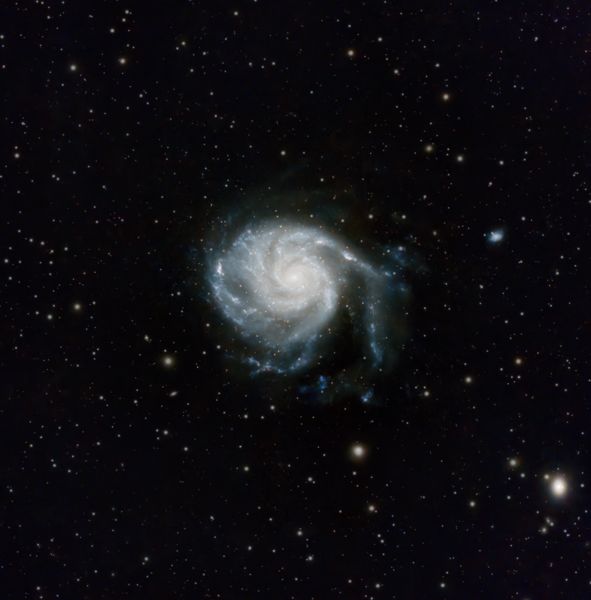
Pinwheel Galaxy
The Pinwheel Galaxy, M101, was reprocessed in October, 2026 after some improvements to the APAS software. M101 is about 21 million light-years from Earth, and contains an estimated 1 trillion stars. That's 1,000,000,000,000. Stars. Similar to our sun but 1 trillion of them. For context: if you count from 1 to 1 trillion, one number per second, it would take you nearly 32,000 YEARS to count that high. Going back in time that far would land you in the last ice age during the time of the Neanderthals. If you were to travel across this galaxy at the speed of light, you would need to travel for 170,000 years.
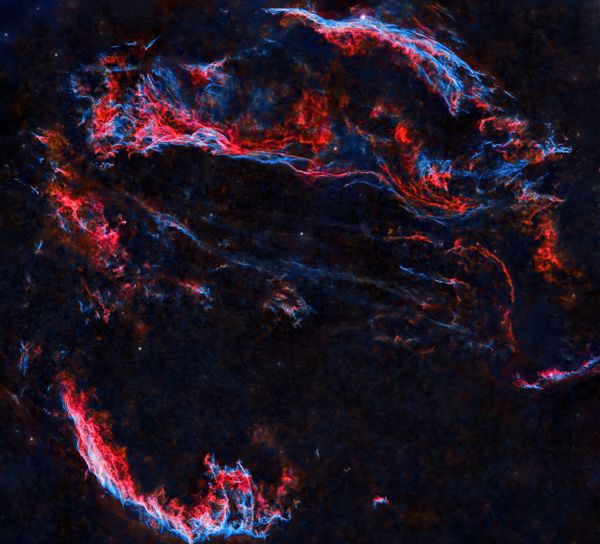
Eastern Veil
Eastern Veil #3. This is a re-processing of the Veil Nebula Complex, based on similar data as the others. This image was processed from about 50 hours of observational data. Data from the onboard scope image compilations were combined, for the first time, with my fully-automated workflow (using TIFF images). This is from around 50 hours of data, collected at 10-second intervals. Here's the information from the first image of the Veil: A star 20 times more massive than the Sun exploded between 10,000 and 20,000 years ago. The remnants have since expanded to cover an area of the sky roughly 3 degrees in diameter (about 6 times the diameter, and 36 times the area, of the full Moon). Images from the Buffalo Ridge Observatory; approximately 50 hours of observation.
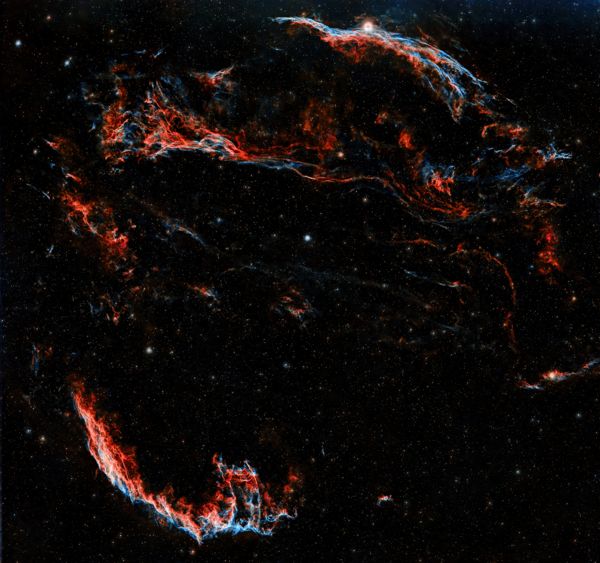
Eastern Veil
A second image of the Veil Nebula Complex, taken primarily at the Buffalo Ridge Observatory.
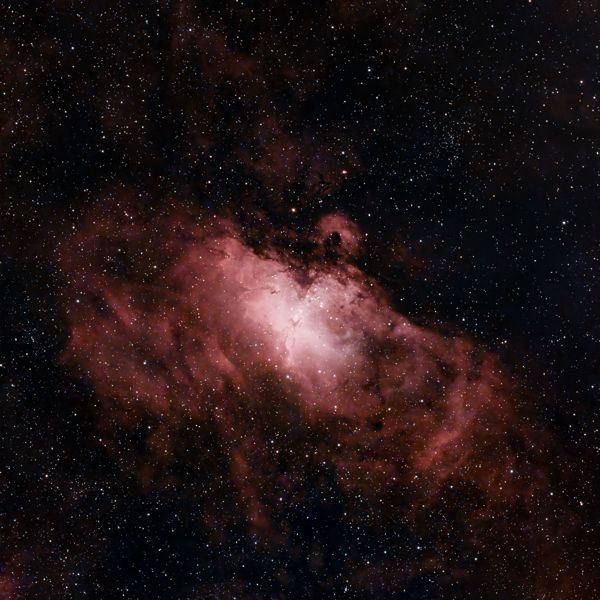
M16 - The Eagle Nebula, September 2026. Approx 12 hours of observational data.
The well-known Pillars of Creation live here, although their details are difficult to see in this image.
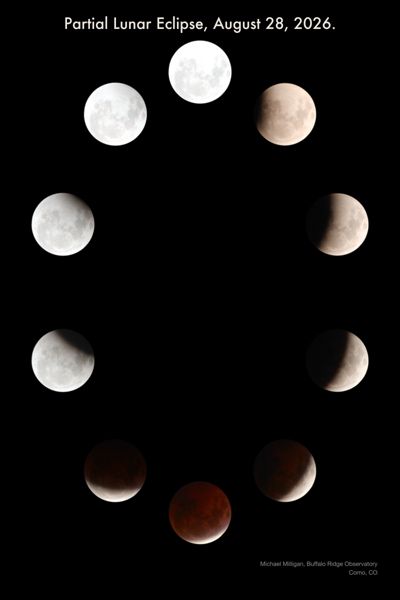
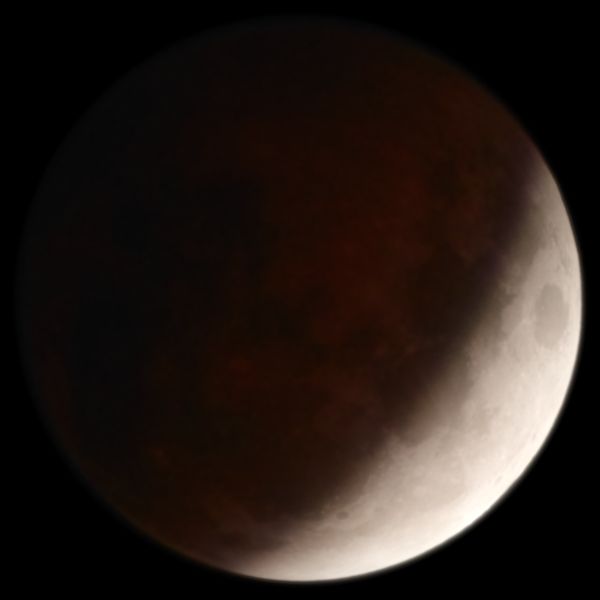
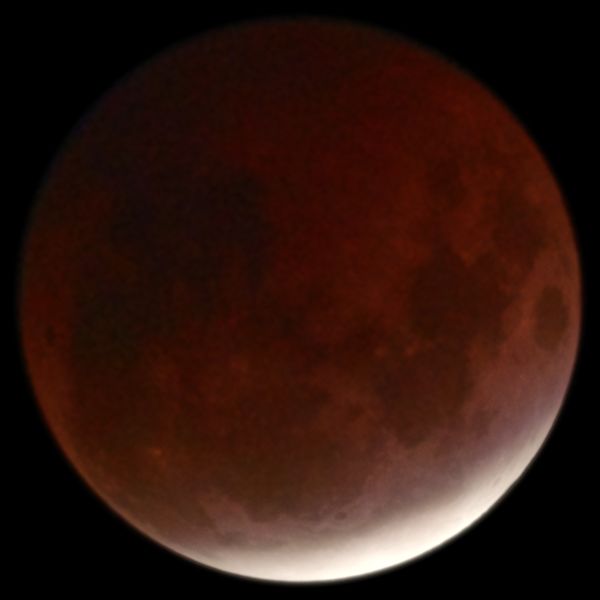
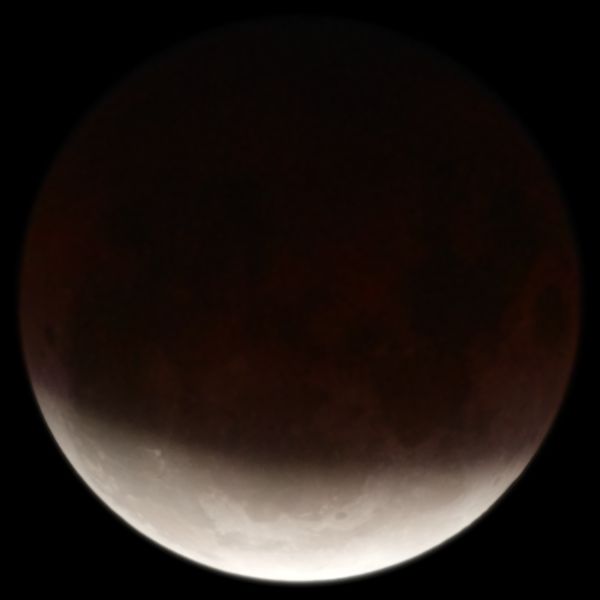
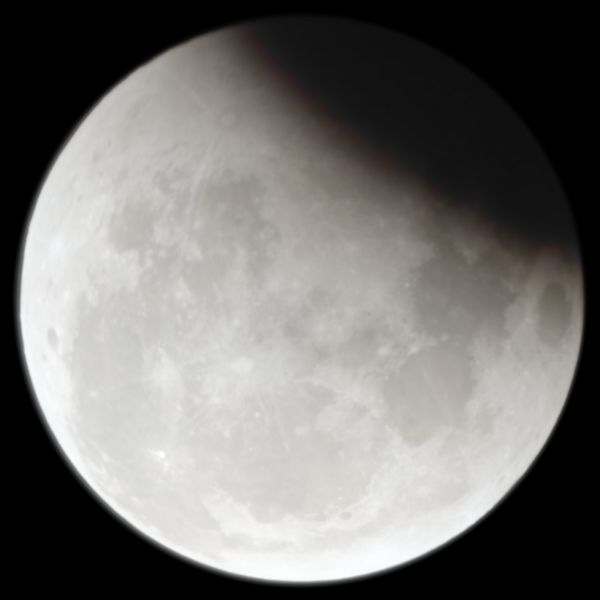
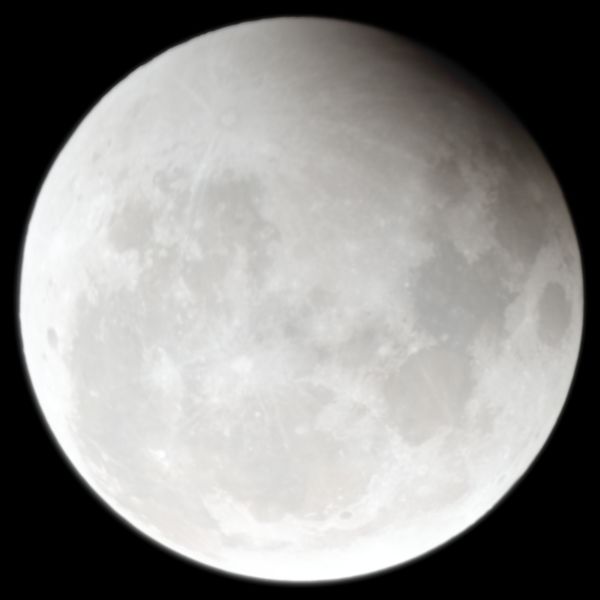
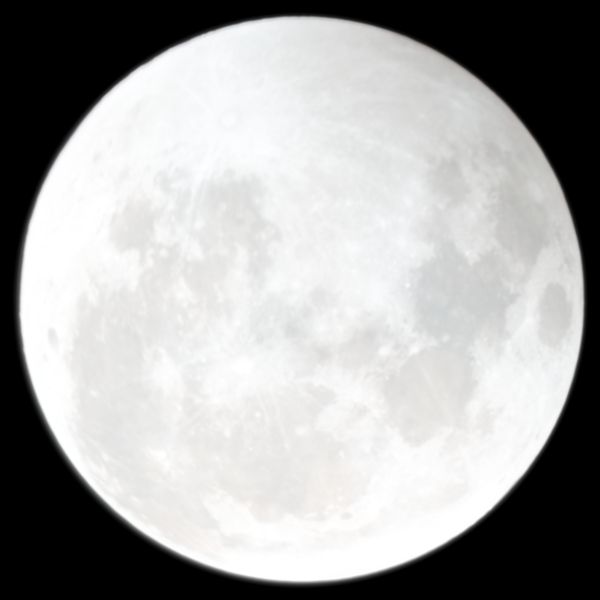
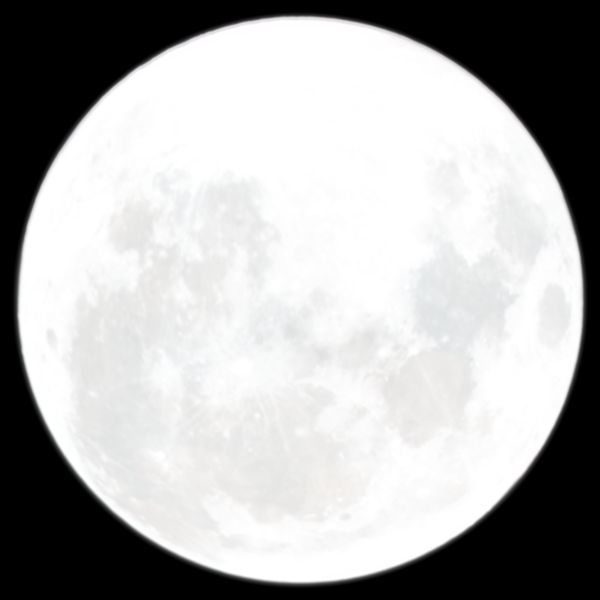
Partial Lunar Eclipse 2026-08-28 — All Ten Phases
Combined images from 2 VP-2 scopes at the Buffalo Ridge Observatory.
Individual images (10)
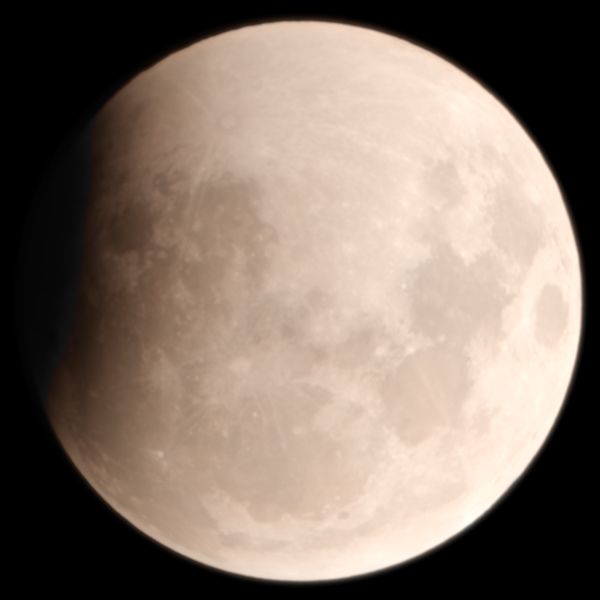
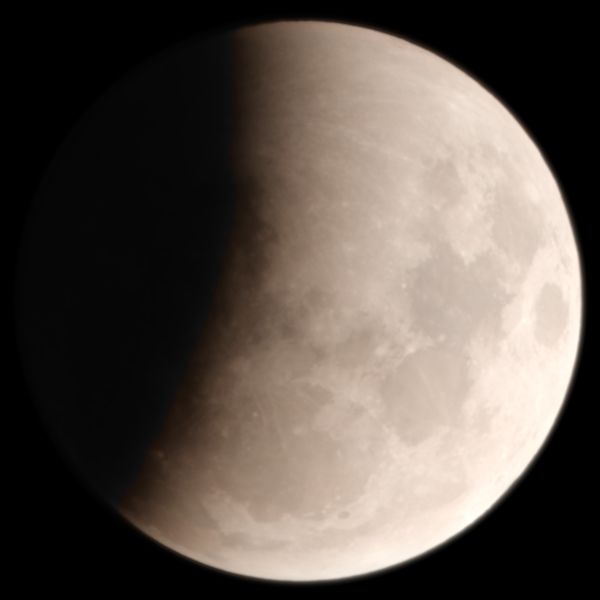
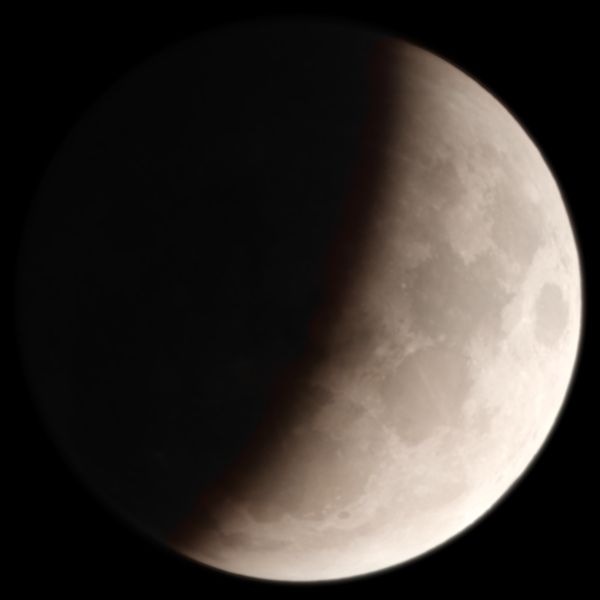
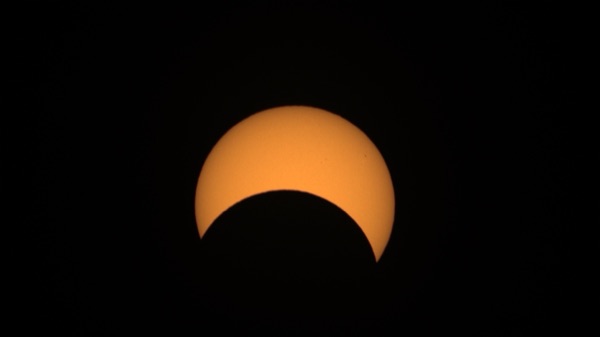
Solar Partial Eclipse
Looks like the moon, but it is the sun. Taken from Denver, CO
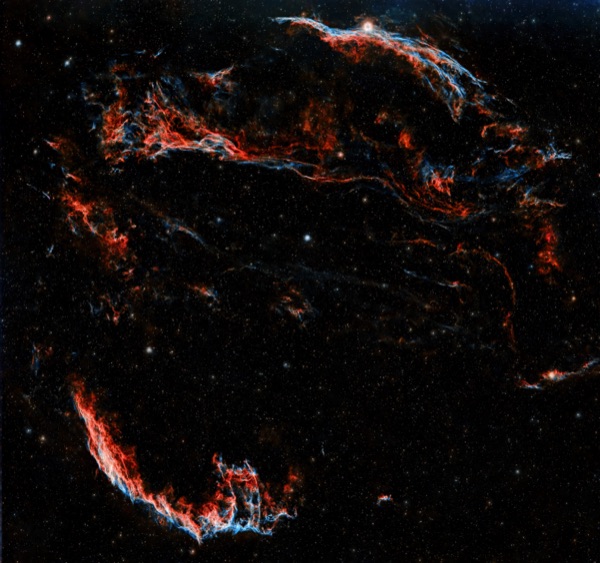
Veil Nebula Complex: Mosaic from multiple telescopes. Summer 2026
A star 20 times more massive than the Sun exploded between 10,000 and 20,000 years ago. The remnants have since expanded to cover an area of the sky roughly 3 degrees in diameter (about 6 times the diameter, and 36 times the area, of the full Moon). Images from the Buffalo Ridge Observatory; approximately 50 hours of observation.
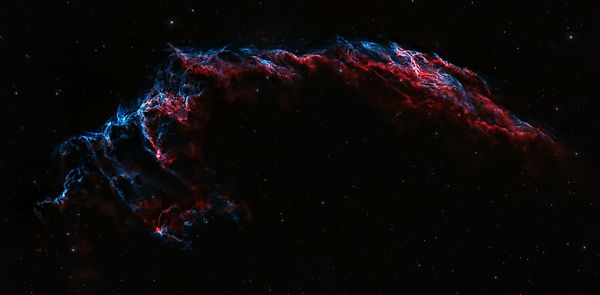
The Bat Nebula, part of the Veil Nebula Complex. Summer, 2026
The Bat Nebula is a faint section of the Cygnus Loop supernova remnant in the constellation Cygnus, around 2400 light-years from Earth. Its thin, filamentary structure marks the expanding shock front from a massive star that exploded thousands of years ago. Captured with a dual-band filter over several nights. The Bat Nebula is part of the Veil complex; in the previous image it is inverted from this view.
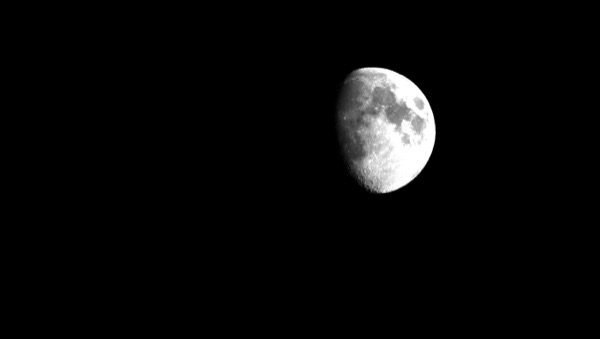
Moon
Taken with a Vespera scope.
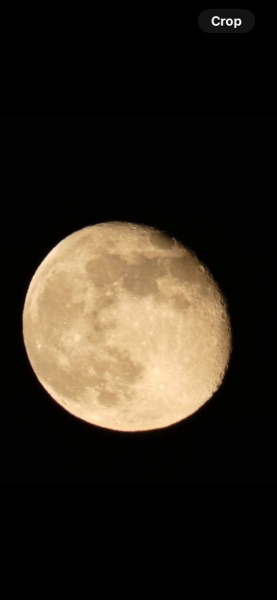
Moon 2
Taken with a Panasonic Lumix camera at the Buffalo Ridge Observatory.
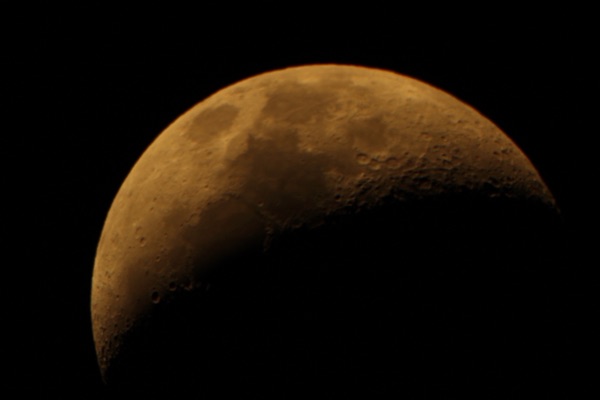
Moon 3
Taken at the Buffalo Ridge Observatory with a Panasonic Lumix.
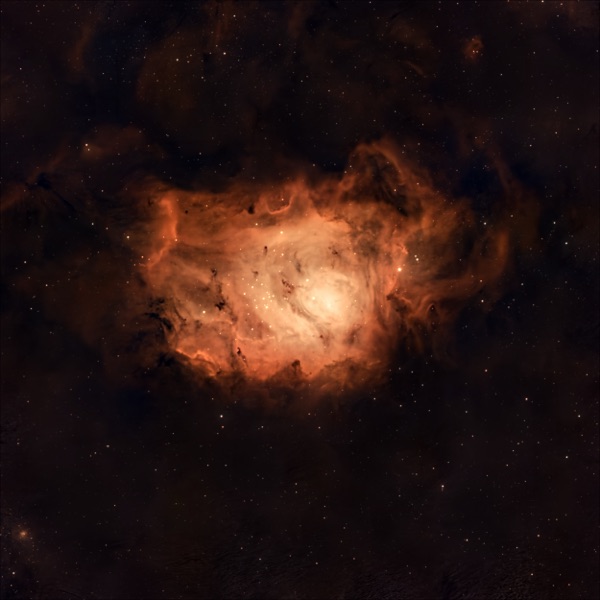
Lagoon Nebula
it is one of only two star-forming nebulae faintly visible to the naked eye from mid-northern latitudes. Located approximately 4,000–6,000 light-years from Earth, the nebula spans 110 by 50 light-years. Processed with APAS.
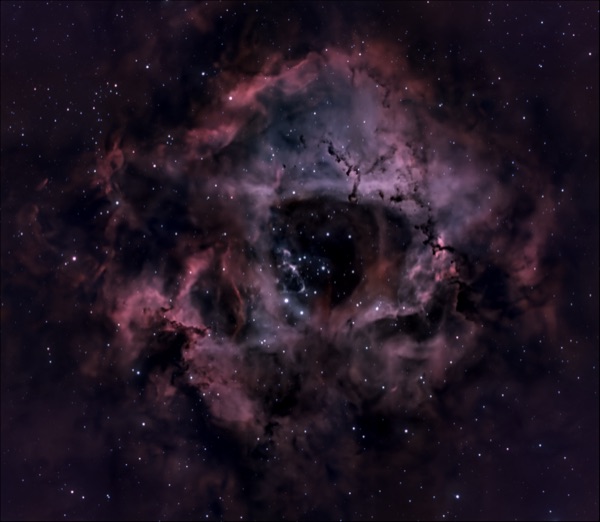
Rosette A
Taken with my original Vespera 1 scope, which has been retired; this is one of my better images from that scope. The nebula is about 5,000 light-years from Earth and measures roughly 130 light years in diameter. The radiation from the young stars excites the atoms in the nebula, causing them to emit radiation themselves producing the emission nebula we see. The mass of the nebula is estimated to be around 10,000 solar masses. Processed before the development of APAS.
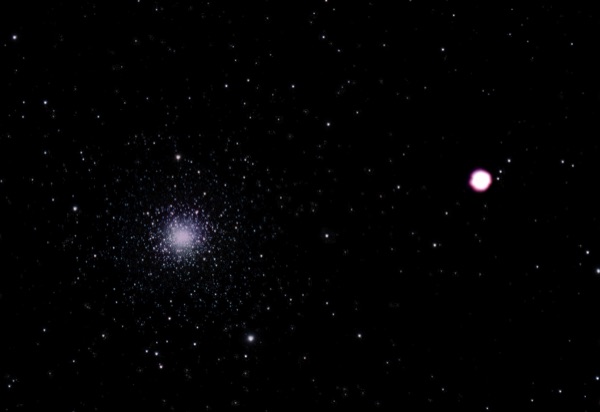
M3
Messier 3 (M3; also NGC 5272) is a globular cluster located 33.9 thousand light years from Earth in the northern constellation of Canes Venatici. It is one of the largest and brightest globular clusters discovered with around 500,000 stars. Clusters such as this can be described as a collection of stellar junk; odds and ends, pulled together by gravitational forces. Processed with APAS.
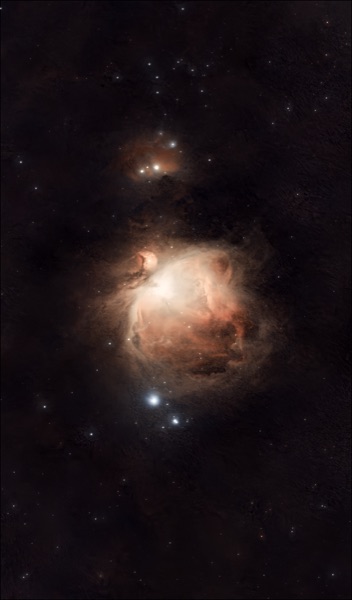
Great Orion Nebula
The brightest Nebula from Earth, designated M42. This is visible with the naked eye, although its structure can only be discerned with binoculars or a telescope. This image is from about 20 hours of observations, primarily at the Buffalo Ridge Observatory, and additional data acquired in Denver. Processed with APAS.
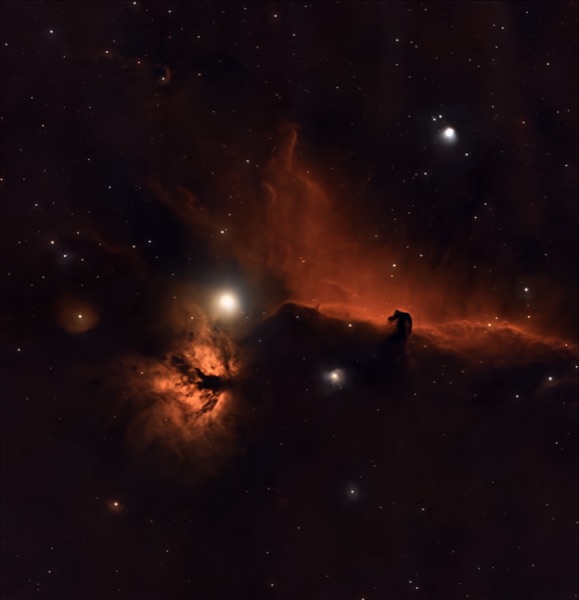
Horsehead Nebula
The Horsehead nebula is a favorite - a dark nebula formed by non-reflective material that blocks the light from the nebula, creating a shape similar to a horse head. It is located about 1,375 light-years from Earth in the constellation of Orion. Processed with APAS.
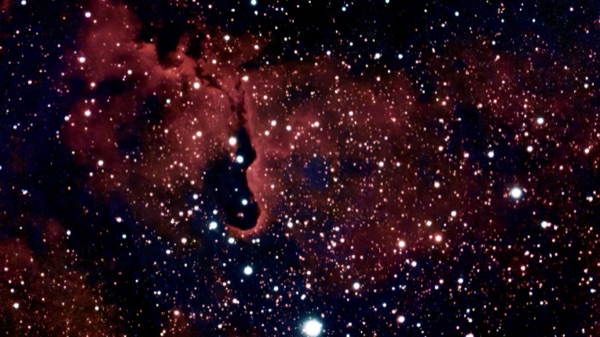
Elephant Trunk Nebula
The Elephant Trunk Nebula is a concentration of interstellar gas and dust within the much larger ionized gas region IC 1396 located in the constellation Cepheus about 2,400 light years away from Earth. This image was acquired from my first scope, since retired, and was processed before the development of my APAS software.
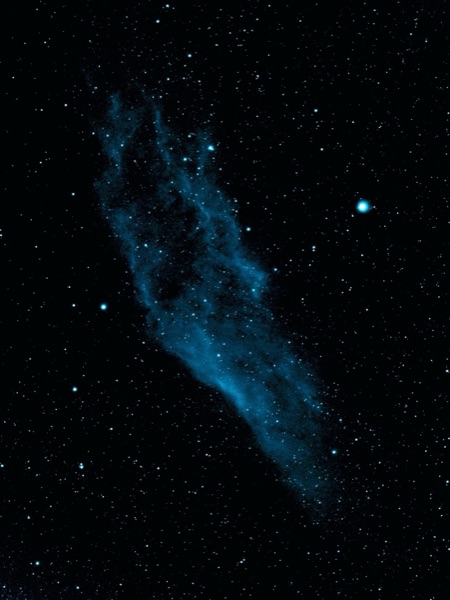
California Nebula
An "artistic" rendition of this image was acquired from my first scope, since retired, and was processed before the development of my APAS software. The shape resembles that of the state of California. It is almost 2.5° long on the sky and, because of its very low surface brightness, it is extremely difficult to observe visually. It can be observed with a Hα filter (isolates the Hα line at 656 nm) or Hβ filter (isolates the Hβ line at 486 nm) in a rich-field telescope under dark skies. It lies at a distance of about 1,000 light years from Earth. Prior to the development of APAS.
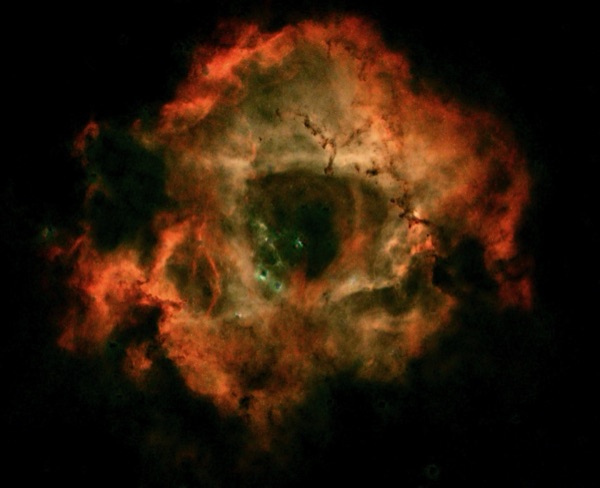
Rosette Nebula
An earlier image of the Rosette Nebula, acquired from my first scope and processed before the development of my APAS software.
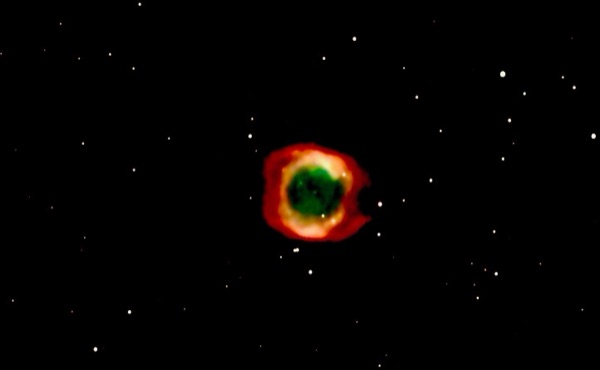
Helix Nebula (Eye of God)
The Helix is a planetary nebula, a type of emission nebula consisting of an expanding, glowing shell of ionized gas ejected from red giant stars late in their lives. acquired from my first scope and processed before the development of my APAS software.
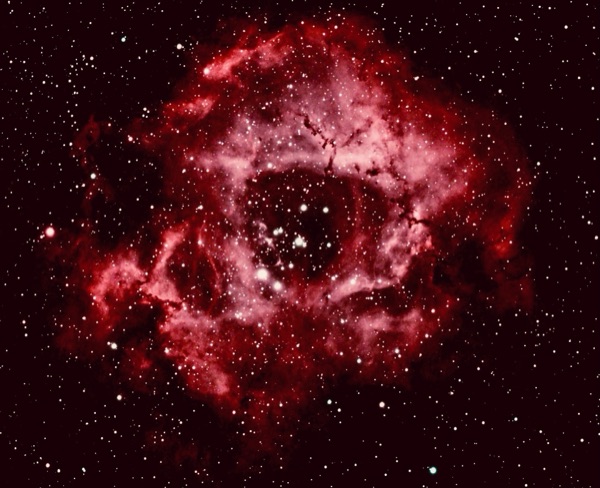
Rosette Nebula 2
Another Rosette rendition, acquired from my first scope and processed before the development of my APAS software.
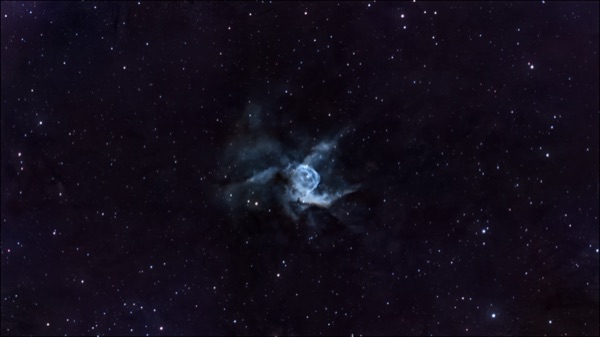
Thor's Helmet
The nebula is approximately 3,670 parsecs (11.96 thousand light years) away and 30 light-years in size. The central star is the Wolf-Rayet star WR7, an extremely hot star thought to be in a brief pre-supernova stage of evolution. It is largely interstellar material swept up by winds from the central star, although some material does appear to be enriched with the products of fusion. Prior to the development of APAS.
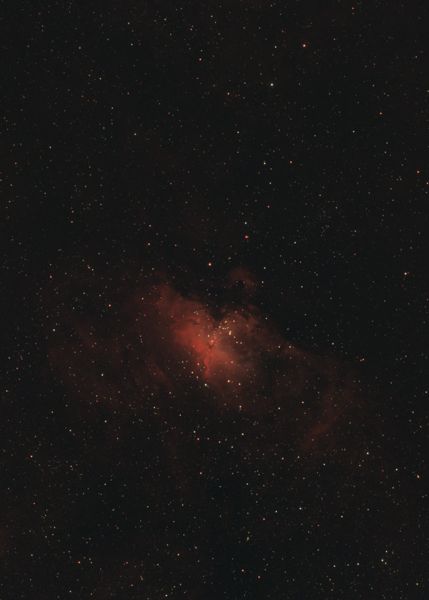
Eagle Nebula
One of my very first images is pretty basic. The Eagle Nebula contains the Pillars of Creation, although that can't be seen in this image. Long before the development of APAS.